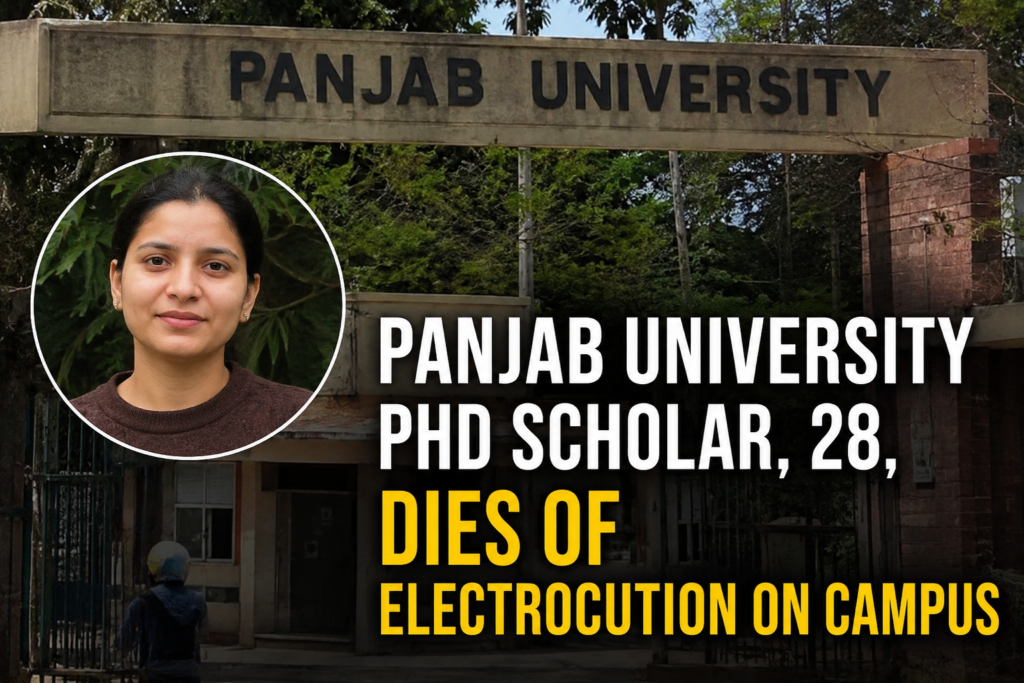
Panjab University PhD Scholar, 28, Dies of Electrocution on Campus
A tragic incident at Panjab University has shocked the academic community after a 28-year-old PhD scholar reportedly died due to electrocution on the university campus. The unfortunate event has sparked widespread concern among students, faculty members, and education experts, raising important questions about campus infrastructure, electrical safety, and maintenance standards. The sudden death of a young research scholar has also led to demands for accountability, improved safety measures, and a thorough investigation into the circumstances that resulted in the fatal accident. As authorities continue their inquiry, students have expressed grief while calling for immediate corrective action to prevent similar tragedies in the future.
Panjab University PhD Scholar Electrocution Incident: Quick Overview
| Particulars | Details |
|---|---|
| Incident | Death of PhD Scholar Due to Electrocution |
| University | Panjab University |
| Location | Chandigarh |
| Age of Scholar | 28 Years |
| Victim | PhD Research Scholar |
| Cause of Death | Alleged Electrocution |
| Investigation | Underway |
| Student Response | Safety Concerns Raised |
| Official Action | Inquiry Initiated |
| Current Status | Authorities Examining Incident |
What Happened at Panjab University?
According to initial reports, the tragic incident occurred within the Panjab University campus where the 28-year-old PhD scholar allegedly came into contact with an electrically charged object or equipment, resulting in a fatal electric shock. Emergency assistance was reportedly provided immediately after the accident, but despite efforts to save the scholar, the individual succumbed to the injuries. The exact sequence of events remains under investigation, with officials examining the site to determine how the electrocution occurred and whether negligence or infrastructure failure played any role in the incident. The tragedy has left students, teachers, and staff deeply saddened as the university community mourns the untimely loss of a promising researcher.
Identity of the Deceased Scholar
The deceased was a 28-year-old doctoral research scholar pursuing higher studies at Panjab University. Friends and fellow researchers described the scholar as hardworking, dedicated, and passionate about academic research. The tragic death has deeply affected classmates, faculty members, and researchers who knew the scholar personally. University officials are also extending support to the grieving family while ensuring that all legal procedures are completed. Authorities have stated that further details regarding the identity and academic department will be released in accordance with official protocols and the wishes of the family.
Initial Investigation into the Electrocution
Soon after the incident, police officials and university authorities reached the location to begin an investigation into the circumstances surrounding the electrocution. Forensic experts and electrical engineers are expected to inspect the affected area to determine whether faulty wiring, exposed electrical equipment, poor maintenance, or other technical issues contributed to the fatal accident. Investigators are collecting evidence, speaking with eyewitnesses, and reviewing maintenance records to establish whether adequate safety standards were followed. The findings of the inquiry will be crucial in determining accountability and recommending preventive measures for the future.
Campus Safety Comes Under Scrutiny
The unfortunate incident has once again highlighted concerns regarding campus safety and infrastructure maintenance at educational institutions across the country. Students have questioned whether routine electrical inspections were conducted and whether potentially hazardous areas were adequately secured. Educational institutions are expected to provide a safe environment for learning and research, making regular maintenance of electrical systems, laboratories, hostels, pathways, and common areas an essential responsibility. The incident has intensified discussions about the importance of periodic safety audits and prompt repairs to minimize risks to students and staff.
Student Reactions Following the Incident
The death of the PhD scholar has generated an emotional response among students, many of whom gathered to pay tribute to the deceased while demanding greater accountability from university authorities. Student organizations have reportedly sought an independent investigation, transparent disclosure of the inquiry findings, and stronger safety measures throughout the campus. Many students expressed concern that infrastructure-related hazards should never pose a threat to individuals pursuing higher education, emphasizing that every institution must prioritize student welfare above all else.
Faculty Members Express Condolences
Faculty members and university staff have expressed profound grief over the loss of a young researcher whose academic journey ended tragically. Professors described the incident as heartbreaking and stressed the need for immediate improvements in campus safety systems. Many faculty members also emphasized that research scholars spend long hours within laboratories, libraries, and academic departments, making it essential for universities to maintain safe and secure infrastructure at all times. The academic community has called for a comprehensive review of electrical installations across the campus.
Importance of Electrical Safety in Educational Institutions
Electrical safety is one of the most important aspects of campus management because thousands of students, teachers, researchers, and staff members use university facilities every day. Proper insulation of electrical equipment, regular inspections, timely repairs, warning signs, emergency response systems, and preventive maintenance significantly reduce the likelihood of accidents. Educational institutions should ensure that electrical infrastructure complies with safety standards while encouraging prompt reporting of damaged wiring, exposed cables, or malfunctioning equipment. Regular awareness campaigns can also help students identify and avoid electrical hazards.
Possible Causes of Electrocution Incidents
Electrocution accidents can occur due to several factors, including damaged electrical wiring, waterlogging near electrical installations, exposed live wires, faulty electrical appliances, improper grounding, neglected maintenance, overloaded circuits, or accidental contact with energized metal surfaces. Environmental conditions such as heavy rainfall may further increase electrical risks if infrastructure is not adequately protected. Investigators will examine all possible causes before determining the exact reason behind the Panjab University tragedy, ensuring that conclusions are based on technical evidence rather than speculation.
Role of University Administration
University administrations are responsible for maintaining safe academic environments through regular inspections, preventive maintenance, and timely infrastructure upgrades. Following such incidents, administrators are generally expected to cooperate fully with investigating authorities, provide necessary documentation, support affected families, and implement recommendations aimed at preventing future accidents. Transparent communication with students and faculty is also essential to maintain confidence in institutional governance and demonstrate commitment to campus safety.
Government and Regulatory Perspective
Educational institutions in India are expected to follow established safety regulations concerning electrical systems, building maintenance, and emergency preparedness. Regulatory authorities may examine whether existing safety guidelines were properly implemented and whether any lapses contributed to the incident. If deficiencies are identified, corrective measures and accountability mechanisms may be recommended to strengthen safety standards not only at the affected institution but also across universities nationwide.
How Universities Can Prevent Similar Incidents
Universities can reduce the risk of electrical accidents by conducting mandatory electrical safety audits at regular intervals, replacing aging infrastructure, installing residual current devices (RCDs), ensuring proper grounding, maintaining emergency response protocols, restricting access to hazardous areas, training maintenance staff, and encouraging students to report safety hazards immediately. Digital maintenance tracking systems, CCTV surveillance of vulnerable areas, and independent third-party inspections can further strengthen campus safety and help prevent avoidable tragedies.
Impact on the Academic Community
The sudden death of a research scholar represents a significant loss to the academic community because doctoral candidates contribute to scientific research, innovation, and higher education through years of dedicated study. Such incidents affect not only the victim’s family but also supervisors, classmates, researchers, and institutions that invest considerable effort in academic development. The tragedy serves as a reminder that protecting student safety is fundamental to sustaining a healthy and productive educational environment.
Investigation Expected to Determine Accountability
As the investigation progresses, authorities will examine technical reports, witness statements, maintenance records, and forensic evidence to establish whether the electrocution resulted from an unavoidable accident or preventable negligence. If violations of safety protocols are identified, appropriate legal and administrative action may follow. Students and faculty members continue to await the findings of the inquiry while hoping that meaningful reforms will emerge from the investigation.
Broader Discussion on Campus Infrastructure
The Panjab University incident has renewed nationwide discussions regarding infrastructure management in higher educational institutions. Universities often operate extensive campuses with aging buildings, laboratories, electrical installations, and utility systems that require continuous maintenance. Experts emphasize that investment in preventive maintenance is significantly more effective than responding to emergencies after accidents occur. Strengthening infrastructure management can improve safety while enhancing the overall learning environment for students and researchers.
FAQs
1. What happened at Panjab University?
A 28-year-old PhD scholar reportedly died after suffering an alleged electrocution on the Panjab University campus, prompting an official investigation.
2. Where did the incident occur?
The incident took place at Panjab University in Chandigarh.
3. What caused the scholar’s death?
Initial reports indicate that the death resulted from electrocution, but the exact cause is being determined through an official investigation.
4. Has an investigation been launched?
Yes. Police and university authorities have initiated an investigation to determine the circumstances surrounding the incident.
5. Are students demanding action?
Yes. Student groups have reportedly sought a transparent investigation, accountability, and stronger campus safety measures.